

Introduction
Choosing the right tent is one of the most important decisions you’ll make for any camping trip. The wrong shelter can leave you soaked, freezing, or cramped — while the right one becomes your home away from home. At The Gear Life, we’ve tested dozens of tents across all conditions to help you cut through the noise and find the perfect match for your needs.
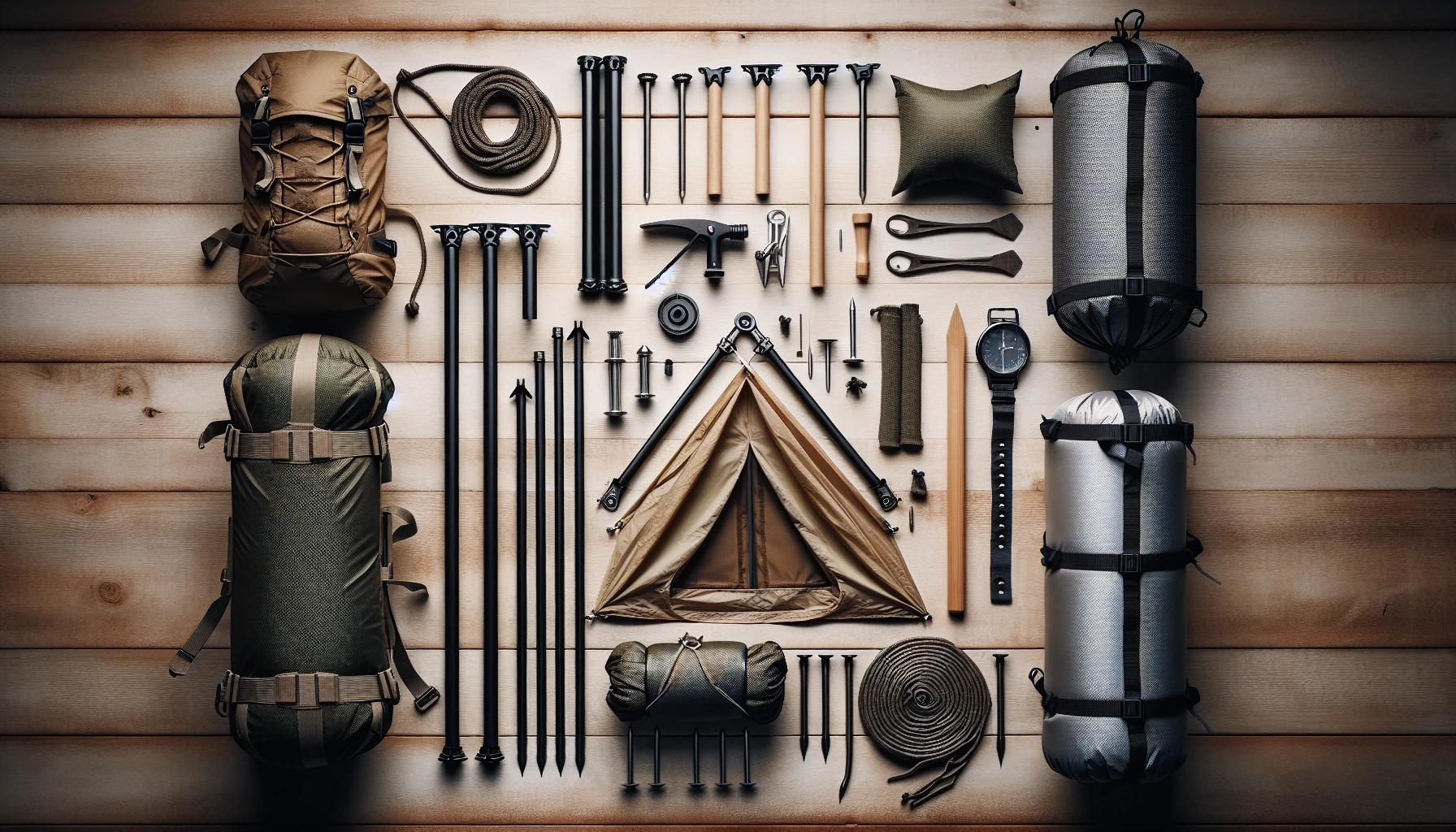
Step 1: Know Your Camping Style
Before comparing specs, ask yourself how you actually camp. The answer shapes every other decision.
- Backpacking: Weight and pack size are everything. Look for tents under 1.5 kg with a small footprint.
- Car camping: Comfort wins. You can afford a heavier, more spacious tent since you’re not carrying it far.
- Winter/alpine: You need a genuine 4-season shelter with a strong pole structure and a full rainfly that reaches the ground.
- Festival or casual use: An affordable 3-season tent is perfectly fine.
Step 2: Understand Tent Season Ratings
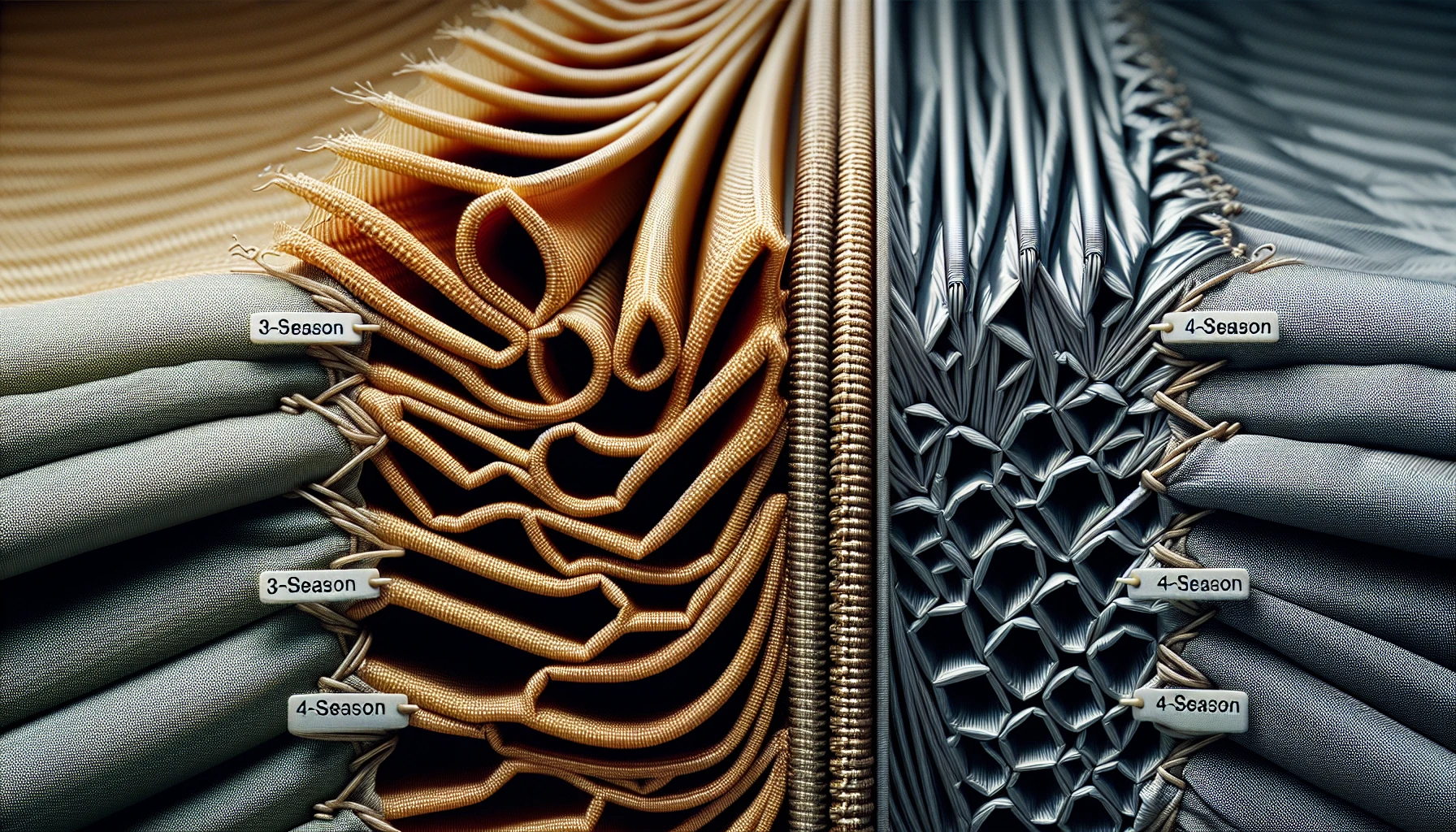
Tent season ratings are one of the most misunderstood specs in outdoor gear. Here’s what they actually mean:
- 1-season: Warm weather only. Minimal protection from wind or rain.
- 2-season: Spring and summer. Handles light rain but not strong winds.
- 3-season: The sweet spot for most campers. Handles rain, wind, and cool temperatures but not heavy snow.
- 4-season: Built for winter and mountaineering. Heavier and more expensive, but handles extreme conditions.
Step 3: Check Capacity — Then Size Up
Tent capacity ratings are notoriously optimistic. A “2-person” tent fits two people lying flat with zero extra space. As a general rule, size up by one: if you’re camping solo, consider a 2-person tent. Couples should look at 3-person tents if they want comfortable room for gear.
Step 4: Evaluate Key Specs
Once you’ve narrowed down the category, dig into these numbers:
- Hydrostatic Head (HH): Measured in mm, this tells you how waterproof the fabric is. 1500mm is the minimum for rain protection; 3000mm+ is ideal for sustained heavy rain.
- Pole material: Aluminium poles are lighter and stronger than fibreglass. DAC poles are the gold standard.
- Inner vs. outer pitching: Tents that pitch outer-first (like Hilleberg) keep the inner dry during setup in rain.
- Vestibule space: Extra covered area outside the inner for boots, packs, and wet gear. Essential for multi-day trips.
- Packed weight vs. trail weight: Trail weight excludes stakes and stuff sack. Packed weight includes everything.
Step 5: Consider Freestanding vs. Non-Freestanding
Freestanding tents hold their shape without stakes, making them easy to move and set up on hard ground. Non-freestanding tents (common in ultralight designs) require staking out properly to stand — but they’re often significantly lighter. For most campers, freestanding is the more practical choice.

Top Picks by Category
Best Budget 3-Season Tent: Vango Blade 200
Solid construction, easy setup, and good weather resistance at a price that won’t hurt. Ideal for occasional campers and beginners.
Best Backpacking Tent: MSR Hubba Hubba NX 2
A long-standing favourite in the backpacking world. Under 1.7 kg, roomy for two, and tough enough for serious multi-day trips in variable weather.
Best 4-Season Tent: Hilleberg Jannu
If you’re heading into winter conditions, the Jannu is about as bombproof as it gets. Premium price, but built to last a decade with proper care.
Best Family Tent: Outwell Nevada 5
Spacious, easy to pitch, and comfortable for families who want a bit of room to breathe. Not a backpacker’s choice, but excellent for campsite use.
Final Checklist Before You Buy
- ✅ Does the season rating match your planned conditions?
- ✅ Is the capacity right (remember to size up)?
- ✅ Is the weight acceptable for how you’ll carry it?
- ✅ Does it have enough vestibule space for your gear?
- ✅ Are the poles aluminium or better?
- ✅ Have you checked real-world reviews, not just brand marketing?
The Gear Life Verdict
There’s no single best tent — only the best tent for your specific situation. Take the time to match the shelter to your camping style, conditions, and budget before you commit. And if in doubt, go one season rating higher than you think you need. You’ll thank yourself the first time a storm rolls in.