
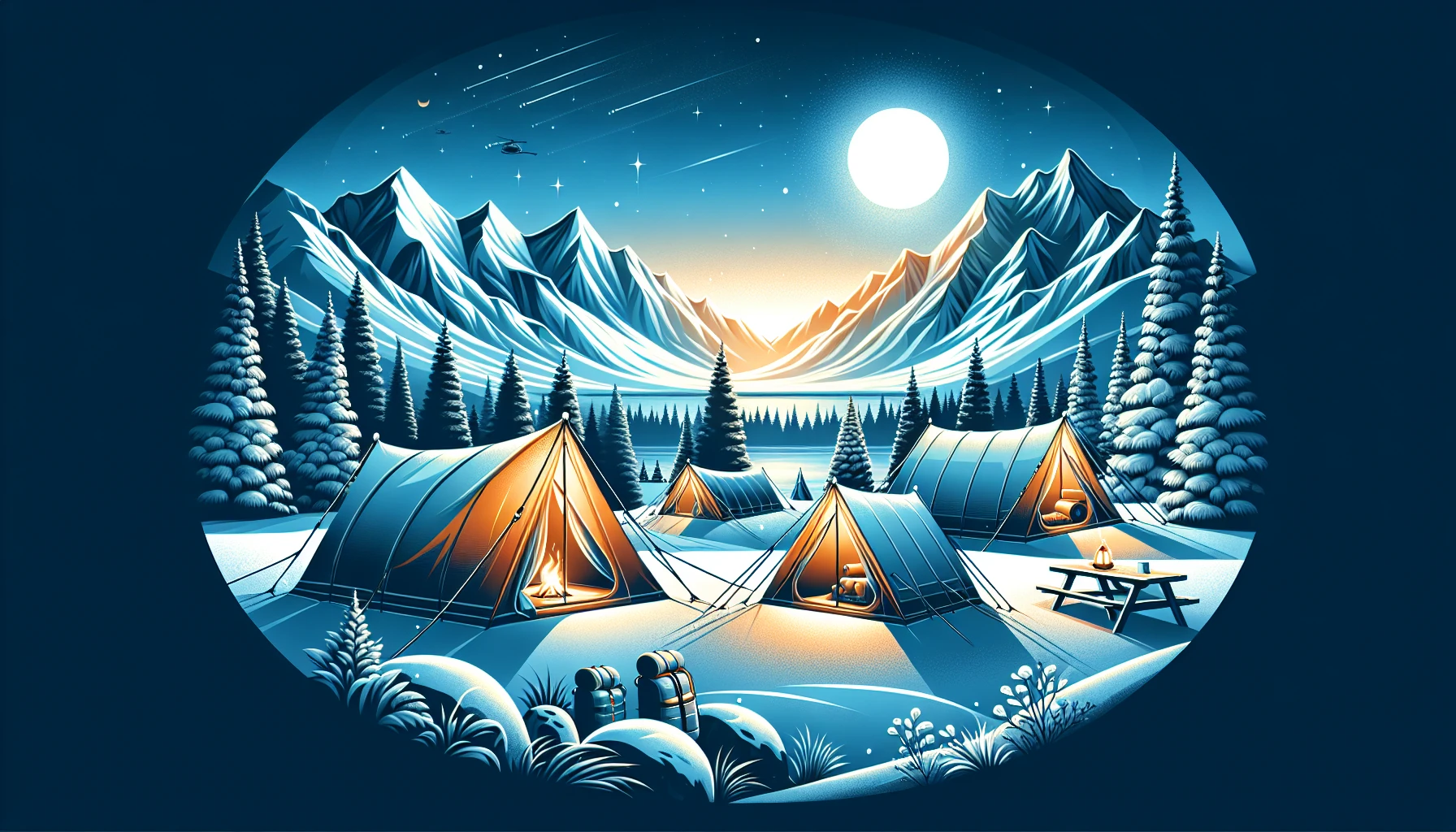
Why Your Tent Choice Matters in Snow
Snow camping is one of the most rewarding outdoor experiences — but also one of the most unforgiving. Unlike three-season camping, a night in the snow demands a shelter that can handle high winds, heavy snow load, plummeting temperatures, and condensation management all at once. The wrong tent can turn a dream trip into a dangerous situation.
At The Gear Life, we’ve spent countless nights in winter conditions testing tents across different price points, constructions, and climates. This guide covers the best snow camping tents available today, with honest pros, cons, and who each tent is best for.

What Makes a Great Snow Camping Tent?
Before diving into specific picks, here’s what separates a solid 4-season tent from a 3-season one:
- Pole structure: More poles and geodesic or semi-geodesic designs distribute snow load more evenly.
- Fabric weight and coating: Heavier denier fabrics resist punctures and abrasion from ice and rock.
- Vestibule space: You’ll need room to store wet gear and cook without bringing snow into your sleeping area.
- Ventilation: Proper airflow reduces condensation build-up, keeping your sleeping bag dry.
- Stake-out points: More anchor points mean better stability in gale-force winds.

Top Snow Camping Tents Reviewed
1. MSR Access 2 — Best All-Rounder
The MSR Access 2 sits in a sweet spot between a true expedition tent and a lightweight backpacking shelter. It uses a semi-geodesic pole structure that handles moderate snow loads well, and at around 1.5 kg it’s impressively light for a true winter tent.
Best for: Winter backpackers who want 4-season performance without carrying a heavy shelter.
Pros: Lightweight, easy single-person setup, excellent ventilation system.
Cons: Not suitable for extreme alpine conditions or very heavy snow loads.
2. Black Diamond Eldorado — Best for Alpinists
The Eldorado is a no-nonsense expedition tent built for high-altitude mountaineering. Its bombproof geodesic design and reinforced canopy handle serious storm conditions that would flatten lesser tents. The tradeoff is weight — at around 2.4 kg, it’s not a lightweight shelter.
Best for: Technical alpine routes and extended expeditions in severe weather.
Pros: Exceptional storm resistance, durable materials, large vestibules.
Cons: Heavy, relatively cramped interior for its weight class.
3. Hilleberg Jannu — Best Premium Option
Hilleberg is the gold standard for expedition tents, and the Jannu is their two-person four-season offering. It features a linked inner-outer design that means you never have to deal with a wet inner when pitching in a snowstorm. The Kerlon 1200 fabric is incredibly durable and water resistant.
Best for: Serious winter campers who want the best and are willing to pay for it.
Pros: Outstanding build quality, simple and fast setup, excellent longevity.
Cons: Premium price tag, heavier than some competitors.
4. The North Face VE 25 — A Classic That Still Delivers
The VE 25 has been a staple of expedition camping for decades and remains relevant thanks to continuous updates. It uses a three-pole geodesic design that provides excellent headroom and livability for extended stays. Multiple color options also make it easy to spot from a distance in an emergency.
Best for: Base camp setups and longer snow camping trips where comfort matters.
Pros: Great headroom, proven design, strong brand support and parts availability.
Cons: On the heavier side, less compact than newer designs.
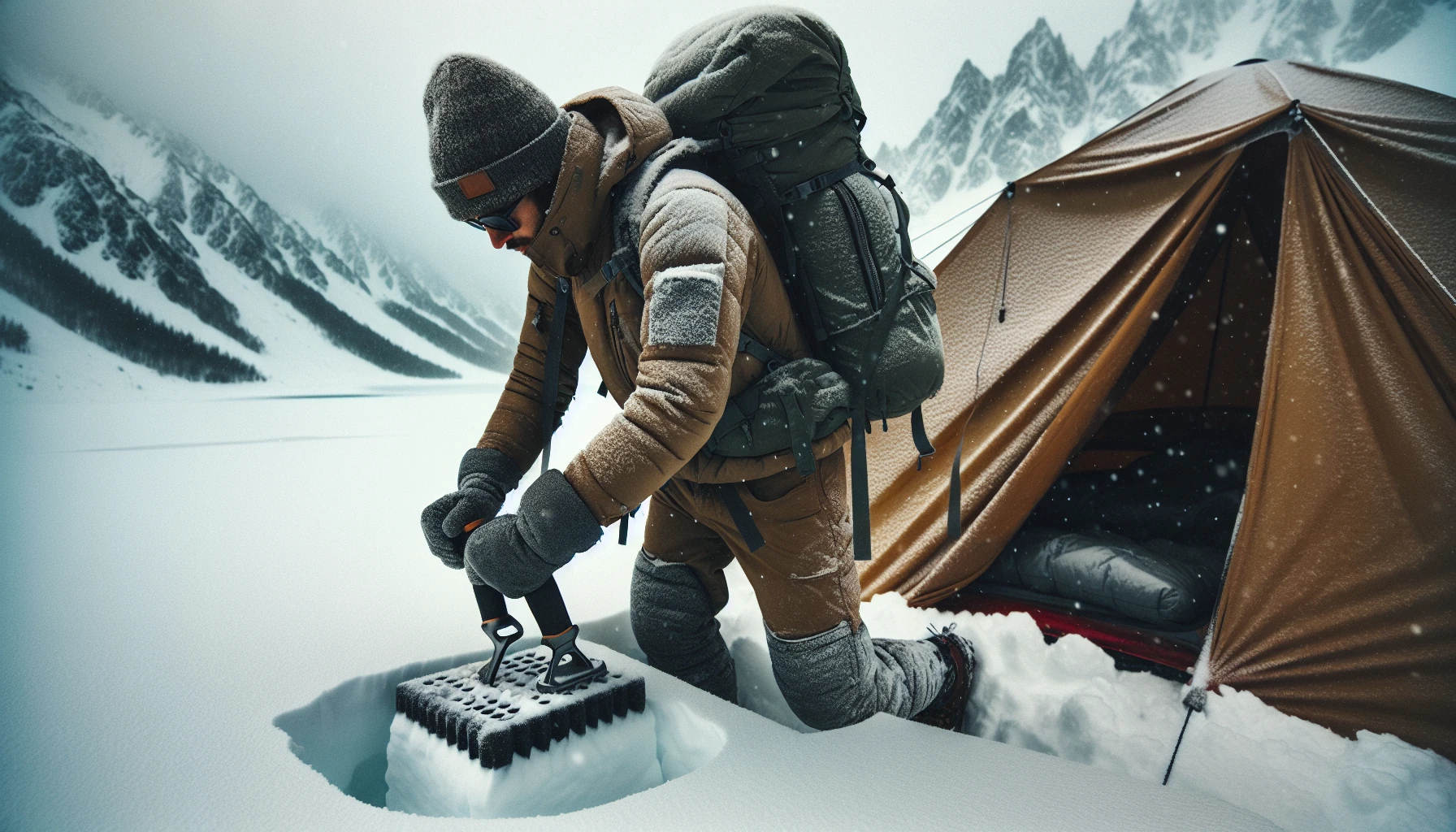
Tips for Setting Up Camp in Snow
Even the best tent performs better with good site selection and setup technique. Here are a few key tips:
- Stamp down your platform: Pack the snow flat and let it sinter for 10–15 minutes before pitching to create a harder base.
- Use snow anchors: Standard pegs won’t hold in snow. Use deadman anchors, snow flukes, or bury your guy lines.
- Orient your door away from the wind: This keeps drifting snow from piling up against your entrance.
- Check your tent every few hours in heavy snowfall: Clear snow off the fly before it accumulates enough to stress the poles.
Final Verdict
For most winter campers, the MSR Access 2 offers the best balance of weight, performance, and price. If you’re pushing into more serious alpine terrain, step up to the Black Diamond Eldorado or invest in a Hilleberg Jannu for the long haul.
Whatever you choose, make sure it’s genuinely rated for four-season use — and always practice setting it up at home before your trip. In cold and dark conditions, familiarity with your gear can be a lifesaver.